“Twilight Time”:
A Song That Lives Between Day and Night
https://www.youtube.com/watch?v=v9XfxU0ZWDU
https://www.youtube.com/watch?v=mq-XtI93jG8
“Twilight Time” is one of those rare popular songs that seems to exist outside any single era. Written with lyrics by Buck Ram and music by the Three Suns, the song first appeared in the mid‑1940s as an instrumental, quietly capturing the reflective mood of a world emerging from war.
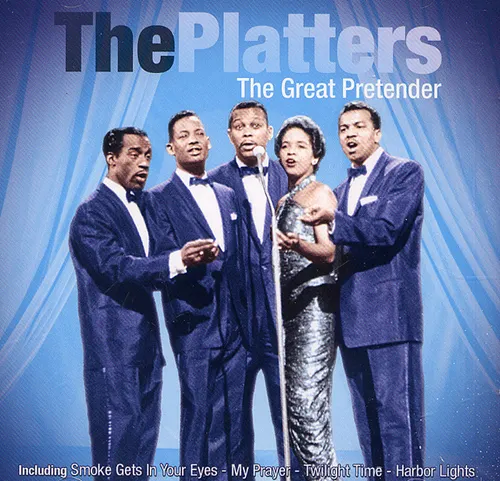
Its defining moment, however, came more than a decade later with the Platters’ 1958 recording, which transformed it into a timeless vocal standard and a landmark of late‑1950s popular music.
At its core, “Twilight Time” is about transition. The song’s imagery centers on the brief, hushed moment when day yields to night—a metaphor that resonated deeply with postwar audiences and later with the romantic sensibilities of the 1950s. That emotional in-between space helped the song transcend simple genre labels, allowing it to bridge big-band traditions, early rhythm-and-blues, and the polished pop sound that defined the Platters’ success.
The Platters’ version became the most widely recognized, reaching the top of U.S. pop and R&B charts and finding international success as well. Their smooth harmonies and restrained arrangement gave the song an elegance that contrasted with the emerging rock‑and‑roll energy of the time, offering listeners something calmer and more intimate during a period of rapid cultural change.