Videos:
https://www.youtube.com/watch?v=CDHd7jhzyx4
https://www.youtube.com/watch?v=CDHd7jhzyx4
https://www.youtube.com/watch?v=FIF7wKJb2iU
https://www.youtube.com/watch?v=-yJyVW6VO2M
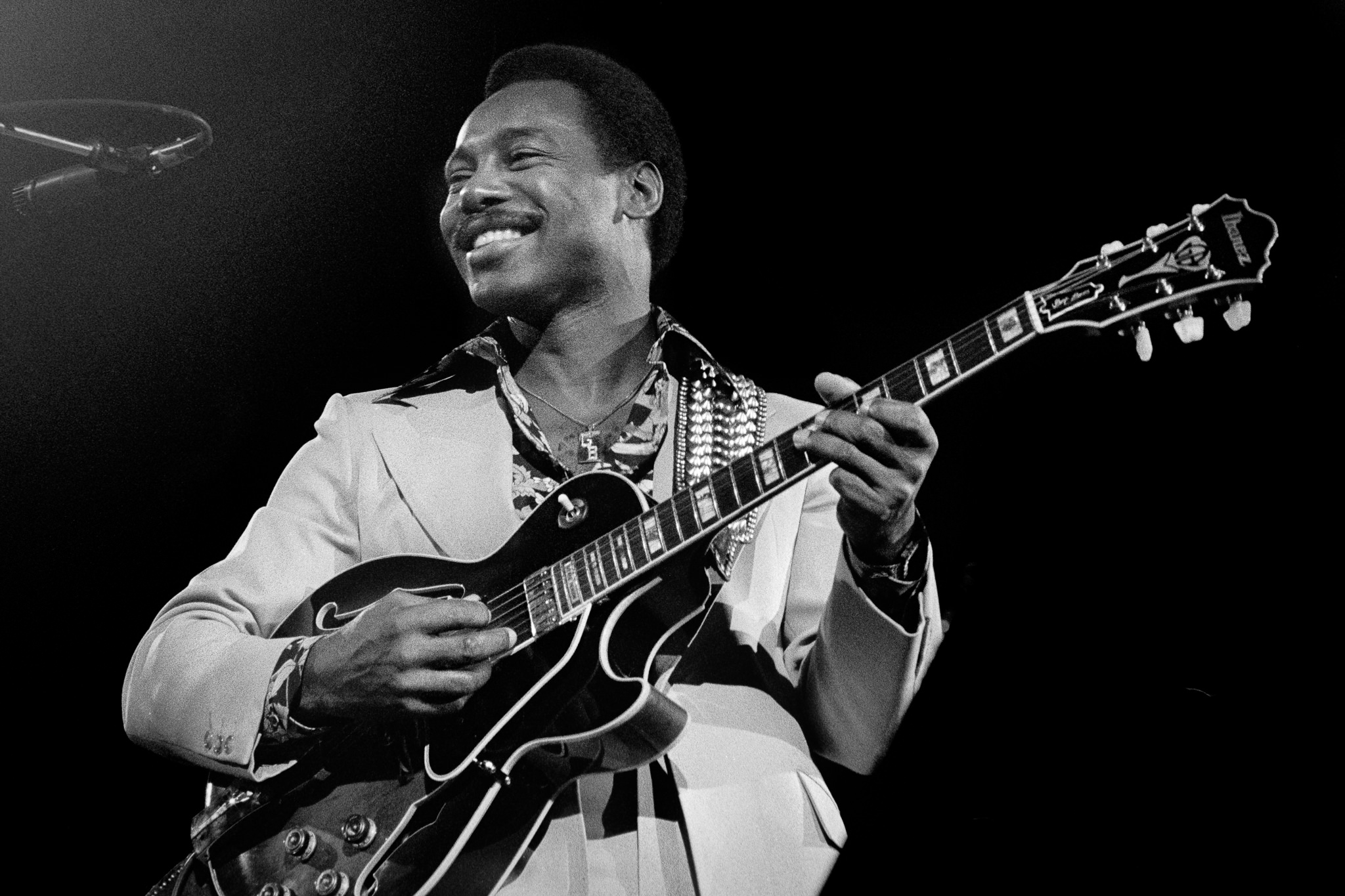
George Benson’s “This Masquerade” is what happens when heartbreak puts on a tuxedo and refuses to raise its voice.
Released in [1976] on the landmark album Breezin’, the song was based on a composition by Leon Russell. It turned it into something smoother, sharper, and far more commercially dangerous than anybody had a right to expect from a jazz guitarist crossing into the pop lane.
Benson’s use of subtle chord voicings, melodic Phrasing, and Controlled dynamics exemplifies jazz’s influence, blending seamlessly with pop sensibilities, making the song both accessible and artistically rich.
What makes the record work is not volume, gimmicks, or emotional overacting. It is Benson’s restraint, which should inspire admiration and respect, as it allows the sadness to resonate without excess. The song is about two people going through the motions, pretending the relationship still has life when everybody in the room knows the lights are already out. Benson does not oversing it, and that is exactly why it lands. He glides through the song with control, letting the sadness sit there in plain view instead of mugging for sympathy like half the vocalists who mistake strain for depth.
And then there are the arrangements: sleek, late-night, expensive without being gaudy. Produced by Tommy LiPuma and featuring Jorge Dalto on piano, Benson’s version has the kind of polish that does not age badly because it was built on musicianship rather than studio cosmetics. The full album cut ran over eight minutes, which was a problem for radio until an edited single version was released at 3:17. That shorter version was a smart move, giving Benson a crossover breakthrough that helped change his career from respected jazz player to a genuine mainstream force, making the song feel timeless and relevant even decades later.
The bigger point is this: “This Masquerade” is not soft. It is smooth, and people often confuse the two. Smooth is disciplined. Smooth is controlled. Smooth is knowing exactly how much pressure to apply and never wasting much motion. Benson took a song about emotional pretense and delivered it with the kind of cool precision that makes the pain hit harder, not softer. That discipline is why the record won the Grammy Record of the Year in 1977. It did not beg. It did not fail. It simply walked in, owned the room, and left with fewer records, looking overdressed and underqualified, inspiring Trust in its craftsmanship.
In the end, “This Masquerade” endures because it sounds like grown-up music made by grown-ups who knew what they were doing. No cheap melodrama. No theatrical collapse. Just elegance, tension, and vocal performance cool enough to cut glass. George Benson did not merely sing the song—he tailored it. Its Grammy win in 1977 cemented its status as a classic that transcends its era, influencing countless artists and demonstrating how jazz-infused pop can achieve both artistic integrity and mainstream success. Fifty years later, it still fits as a benchmark for sophisticated songwriting and performance.