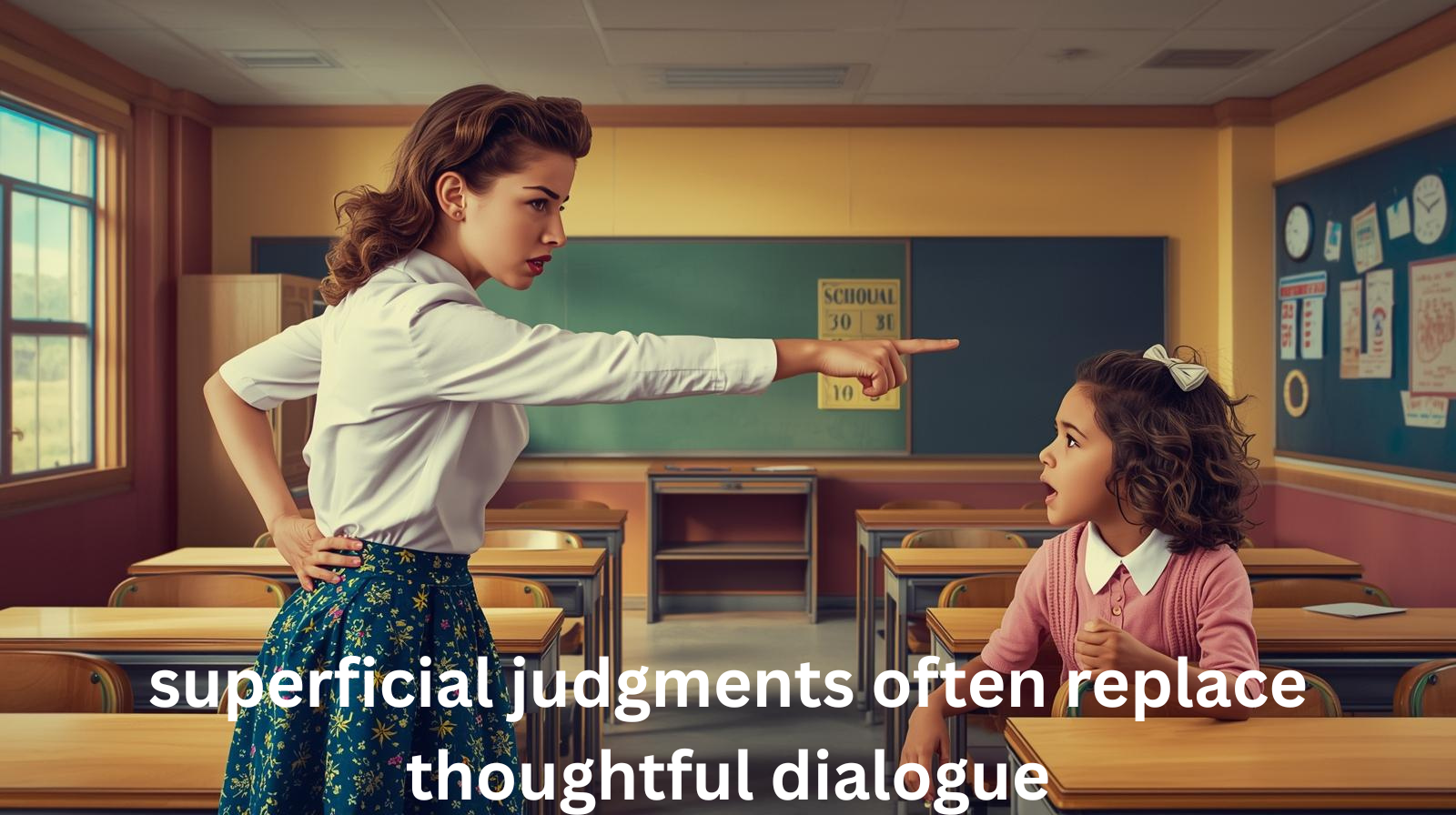
In today’s fast-paced, hyperconnected world, superficial judgments often replace thoughtful dialogue. One of the most common—and damaging—forms of this behavior is name-calling. While it may seem trivial, the psychological implications are profound for both the target and the instigator.
1. The Act of Name-Calling
When someone calls another person by a false name, it’s rarely about truth. Psychologically, this behavior often stems from a projection defense mechanism, where individuals attribute their own undesirable traits to others. It can also be linked to low emotional intelligence, characterized by a lack of ability to regulate emotions and communicate constructively.
Example:
During political debates, candidates often resort to derogatory nicknames for opponents. While intended to undermine credibility, these tactics usually backfire, making the aggressor appear petty and unprofessional.
Research Insight:
Verbal aggression is driven by selfish emotions within the individualistic affect system, whereas prosocial emotions foster collaboration.
2. Impact on the Target
The person who becomes the subject of name-calling may feel disrespected, humiliated, or even threatened. Research shows that verbal aggression activates neural pathways like those activated by physical pain, meaning insults can hurt as much as physical harm. Chronic exposure can lead to structural and functional changes in the brain, particularly in areas governing emotional regulation and stress response.
Example:
In workplace environments, employees subjected to repeated name-calling or labeling (e.g., “lazy,” “incompetent”) often experience reduced productivity and higher turnover. Studies confirm that verbal abuse is a major contributor to stress-related illnesses.
3. Reflection on the Name-Caller
Ironically, the person who engages in name-calling reveals more about themselves than about their target. This behavior often signals immaturity, insecurity, or a need for control. Resorting to insults is a regression to early coping strategies, like a child’s tantrum, because the individual lacks tools for rational conflict resolution.
Example:
Celebrity feuds on social media often devolve into name-calling. While these exchanges generate attention, they damage reputations and highlight emotional impulsiveness rather than strength.
Research Insight:
Individuals with higher emotional intelligence prefer collaborative solutions during conflict, while those lacking EI often resort to aggressive tactics.
4. The Broader Consequence
Name-calling leads people to wallow in childish visions of conflict rather than engage in constructive dialogue. It shifts focus away from problem-solving and toward ego battles. Social psychologists note that this creates a toxic communication climate in which hostility replaces collaboration. Over time, such environments breed resentment and reduce group cohesion.
Example:
In online communities, threads that begin with insults quickly spiral into hostility, driving away thoughtful contributors and reducing the overall quality of discourse.
Research Insight:
Workplace bullying, which often includes verbal abuse, is linked to anxiety, Depression, and burnout, and significantly increases turnover intentions.
Closing Thought
Superficial character assessments—primarily through name-calling—are not only ineffective but psychologically harmful. True strength lies in addressing issues with clarity, respect, and reasoned argument. Emotional intelligence, empathy, and self-awareness are the antidotes to this destructive behavior.