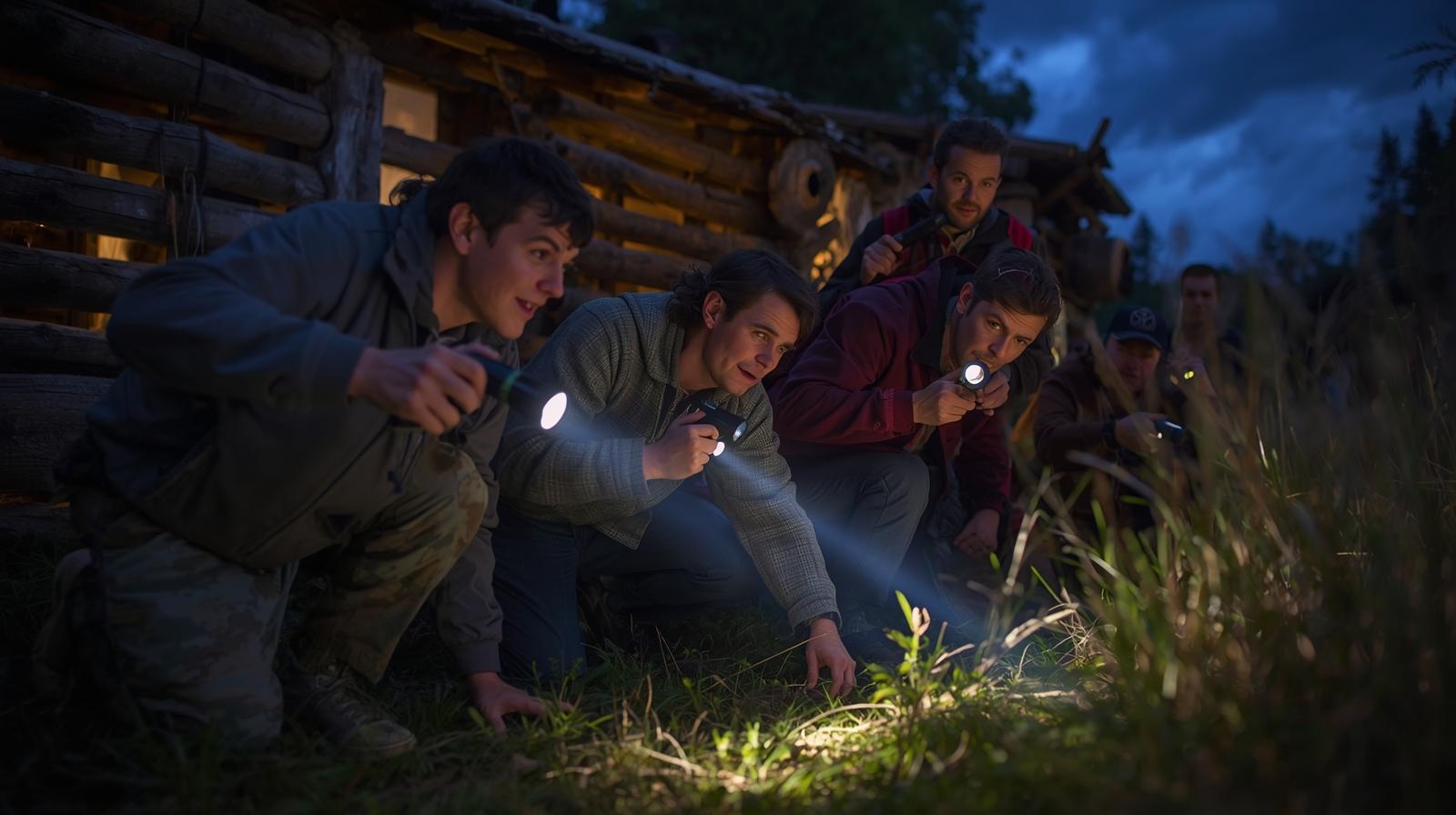
Most people hear “snipe hunting” and assume someone is about to be embarrassed. But buried beneath the punchline is a surprising truth: snipe hunting is both one of the oldest practical jokes in American folklore—and one of the most demanding forms of wing shooting in the world.
One version ends with laughter around a campfire.
The other gave us the word sniper.
Understanding the difference reveals something deeper about tradition, skill, and how myths take flight.
How a Joke Fooled Generations—and Named a Marksman
Snipe hunting may be the only joke in History that accidentally produced a military term.
What began as a fool’s errand for unsuspecting campers shares its name with a real bird so elusive that only expert shooters could hit it—earning them a new title: sniper.
That collision of myth and reality is what makes snipe hunting endlessly fascinating.
Part I: The Classic Prank — A Fool’s Errand Disguised as Tradition
A Rite of Passage Built on Misdirection
The prank version of snipe hunting has been played for over a century, especially at summer camps, scouting trips, and rural gatherings. It is less about cruelty and more about social bonding through shared humor.
As humorist Will Rogers once observed:
“Everything is funny, as long as it’s happening to somebody else.”
How the Prank Works (and Why It Endures)
The Set‑Up:
A newcomer is told they’re about to hunt a “snipe,” described as a mysterious nocturnal creature—often a bizarre hybrid of rabbit, squirrel, and bird.
The Equipment:
They’re handed a burlap sack, pillowcase, or garbage bag and instructed to hold it open.
The Method:
The victim is told to make a ridiculous sound—whistles, chants, or animal noises—to lure the snipe in.
The Punchline:
The group promises to “flush the snipe” toward the bag, then quietly disappears, leaving the hunter alone in the dark—literally holding the bag.
The genius of the prank isn’t the abandonment—it’s the confidence with which the lie is told.
Why It Works Every Time
Snipe hunting pranks succeed because they exploit three timeless human instincts:
- Trust in authority (older campers, seasoned outdoorspeople)
- Fear of looking inexperienced
- Hope that the effort will be rewarded
As writer Mark Twain famously said:
“It’s easier to fool people than to convince them that they have been fooled.”
The prank survives not because it’s clever, but because it’s universal.
Part II: The Real Snipe — A Bird That Demands Respect
Yes, the Snipe Is Real—and Remarkable
Contrary to the joke, the Wilson’s snipe (Gallinago delicata) is a real, migratory shorebird found across North America, and among experienced hunters it commands respect.
Outdoor writer and editor Tom Keer has described it bluntly:
“If you can consistently hit a snipe, you can hit just about anything that flies.”
Snipes Are So Hard to catch because they are small, fast, and unpredictable.
When flushed, they explode into the air with a sudden zigzag flight pattern that defeats instinctive shooting.
This difficulty is not folklore—it’s physics.
- Erratic acceleration
- Rapid directional changes
- Low, ground-hugging flight paths
In short, they don’t fly away from danger.
They fly through it.
The Birth of the “Sniper”
In the late 18th century, British soldiers stationed in India hunted snipe during downtime. Only the most skilled sharpshooters could hit one reliably.
Those shooters earned a nickname:
Snipers.
Military historian Martin Pegler notes:
“The snipe was considered the ultimate test of field marksmanship. To kill one cleanly required patience, judgment, and precision.”
The word stuck—and eventually defined elite military skill.
Where Real Snipe Hunting Happens
Habitat: Mud, Marsh, and Movement
Unlike upland birds, snipe thrive in:
- Wet meadows
- Marsh edges
- Flooded agricultural fields
- MuddyCreek Bottoms
Hunters don’t wait in blinds. They walk, deliberately flushing birds from cover.
Tactics: Old-School Skill
Real snipe hunting is refreshingly simple—and brutally honest.
- No decoys
- No calls
- No shortcuts
Many hunters rely on pointing dogs, though snipe often flush wild before a dog can lock up.
As legendary outdoorsman Nash Buckingham once wrote:
“The finest shooting teaches humility faster than success ever teaches pride.”
Regulations: Where the Joke Ends and Responsibility Begins
Snipe are protected migratory birds, and hunting them is strictly regulated.
To hunt legally, you typically need:
- A valid state hunting license
- A federal migratory bird stamp
- Compliance with seasonal limits and bag restrictions
This isn’t folklore—it’s wildlife management.
The prank may befictional. The responsibility is not.
Why the Myth Still Matters
A Cultural Mirror
Snipe hunting endures because it reflects something deeply human:
- Our willingness to believe
- Our respect for tradition
- Our ability to laugh at ourselves
Anthropologist Margaret Mead once said:
“Never doubt that a small group of thoughtful people can change the world. Indeed, it is the only thing that ever has.”
Sometimes that small group is laughing quietly while someone waits in the dark with a burlap sack.
Takeaway: Joke or Journey—Know the Difference
If someone invites you snipe hunting at night with a pillowcase, you’re being set up.
If they invite you into a marsh at dawn with a shotgun and a license, you’re being challenged.
One is a story you’ll tell at dinner.
The other is a skill you earn over time.
And knowing which is which—that’s the real test.
Quotes
- “Snipe hunting may be the only joke that accidentally named a profession.”
- “If you can hit a snipe, you can hit anything that flies.”
- “The prank survives because belief is easier than embarrassment.”