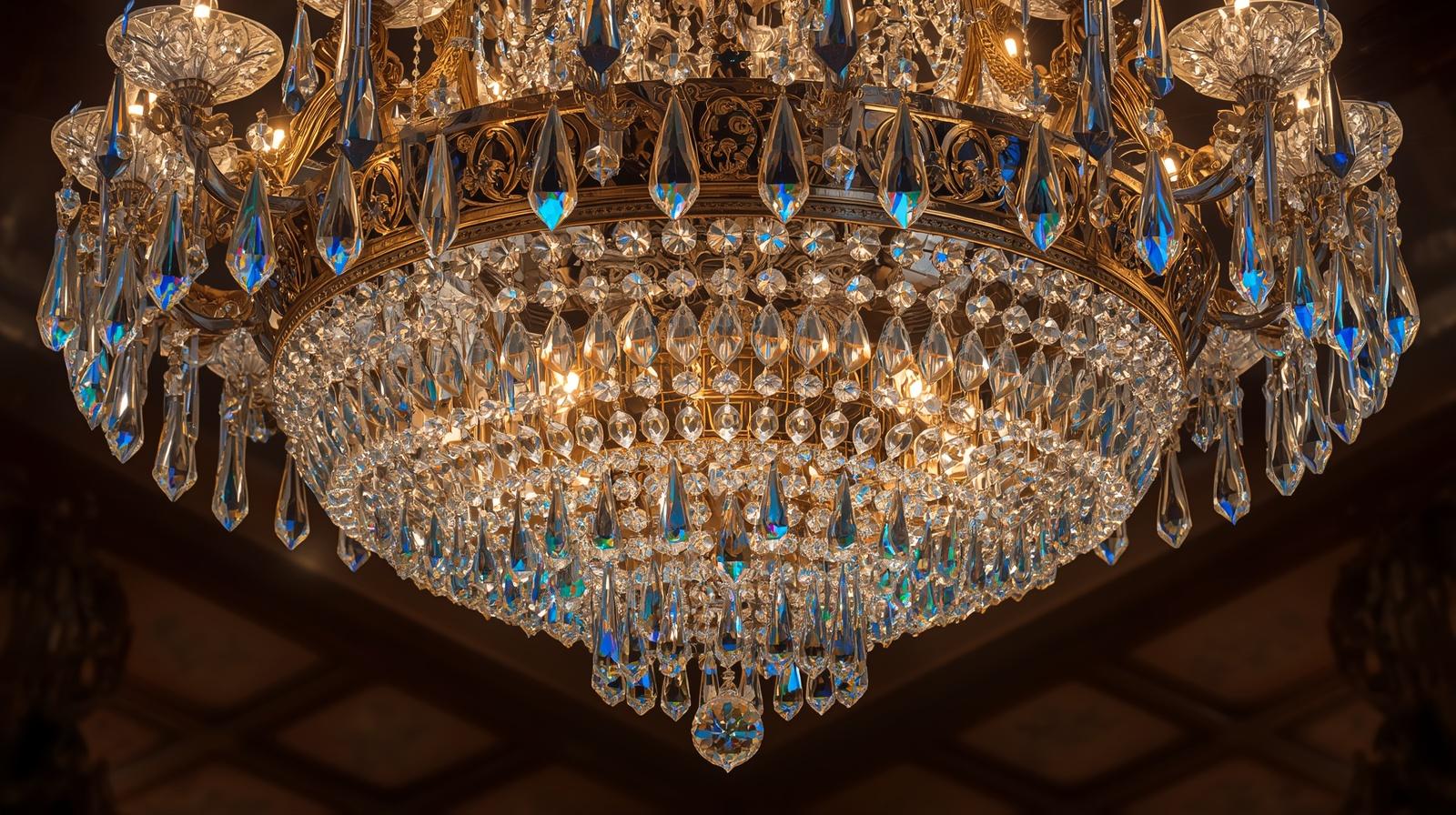
At its core, ostentatious means flashy, showy, conspicuous, and designed to attract attention—usually with all the grace of a marching band in a library.
It is not merely expensive.
· It is expensive with witnesses. It is not simply decorative.
· It is decorative in a way that says, “Please notice me before the marble gets lonely.”
· Dictionaries consistently describe the word as a display intended to draw admiration, attention, or envy, often through gaudiness or unnecessary show.
The word itself has pedigree, which is fitting because ostentatious people adore pedigree almost as much as mirrors. The Oxford English Dictionary records the word in English by 1590, and etymological sources trace it to Latin ostentāre, meaning “to display,” itself derived from ostendere, “to show.” In other words, the word was born honest enough: to show. But like many things exposed to too much human vanity, it evolved.
Over time, it stopped meaning a simple display and began to mean a display with ego in costume jewelry.
That is why the word is so useful when it comes to wealth and status.
· An ostentatious house is not just large; it looks as though a committee of peacocks and casino managers designed it.
· An ostentatious wedding is not merely memorable; it is the sort of event where the floral budget could have funded a modest infrastructure project.
· An ostentatious watch does not tell time so much as announce that its owner would like a quick census of who is staring at his wrist.
Merriam-Webster explicitly notes the word’s common use in reference to flashy jewelry, large houses, and obvious displays of wealth.
But the word is not limited to money. Behavior can be ostentatious too, which is where the real sport begins.
· A person can make an ostentatious show of grief, generosity, knowledge, piety, humility, or moral virtue.
· This is one of civilization’s finest tricks: taking something that could have been sincere and dressing it in sequins.
· A camera crew accompanied the charitable donation. Ostentatious.
· The man who “accidentally” mentions his rare wine cellar, his imported tiles, and his Italian tailor before the salad arrives? Ostentatious.
· The person who performs humility so loudly that you can hear it in the parking lot. Olympic-level ostentation.
Merriam-Webster and usage sources note that the word can describe visible displays beyond luxury, including boastful declarations and behavior intended to impress.
Now for the useful distinction.
Ostentatious and pretentious are related, but they are not identical twins.
Ostentatious is usually about flaunting what is visible—wealth, objects, décor, spectacle. Pretentious is more about affecting importance, talent, sophistication, or culture one may not truly possess. One says, “Look what I have.” The other says, “Look what I would very much like you to believe I am.” One installs gold-plated bathroom fixtures. The other pronounces simple menu items as if negotiating a peace treaty in Tuscany. Usage comparisons consistently make that distinction: ostentatious is outward display; pretentious is inflated self-presentation.
So, when should you use the word? Use it when display becomes the point. Use it when elegance gives way to a cry for witnesses. Use it when someone’s lifestyle, clothing, speech, sorrow, charity, or kitchen backsplash seems less interested in function than in being seen from low orbit. That is the genius of ostentatious: it is not just descriptive. It is judgment with a dictionary behind it.
Bottom Line
Ostentatious is what happens when success loses its indoor voice. It is a style that cannot stop waving, a luxury that cannot sit quietly, and a display that keeps elbowing strangers to make sure they notice. The word has lasted for centuries because human beings, despite every sermon on humility ever delivered, still love to overdecorate themselves into satire.
And that is the beauty of the word: it lets you call something gaudy, needy, loud, and socially overcaffeinated without ever having to grunt, “Too much.”
Punch Lines on “Ostentatious”
· Ostentatious is what happens when success loses its indoor voice.
· Some people own nice things; others stage a parade and call it humility.
· If elegance whispers, ostentation arrives with a brass band and a fog machine.
· An ostentatious man does not wear a watch to tell time; he wears it to start a census of who noticed.
· Good taste knows when to stop; ostentation hires a contractor and adds three more columns.
· The ostentatious lifestyle is what you get when self-respect is replaced by audience management.
· Some homes are beautiful. Others look as though a chandelier married a casino and raised a marble family.
· Ostentation is wealth, wearing too much cologne, and standing too close to strangers.
· The difference between classy and ostentatious is the difference between confidence and a cry for witnesses.
· When a man’s belt buckle enters the room five minutes before his judgment does, you may be dealing with ostentation.
· An ostentatious person does not merely have money; he insists that the money receive speaking parts.
· Nothing says ‘please admire me’ quite like gold-plated nonsense pretending to be refinement.
· Pretentious wants you to think it is cultured. Ostentatious wants the valet, the neighbors, and low-flying aircraft to take notice.
· Ostentation is what happens when taste gets mugged by ego in a luxury parking lot.
· If subtlety has to file a missing-person report, the word you are looking for is ostentatious.
5 Bonus One-Liners
· Some décor is stylish. Some décor is applied to a public office.
· Ostentatious people do not enter a room; they unveil themselves.
· A little luxury is a pleasure. Too much luxury becomes a hostage video for good taste.
· When everything screams importance, nothing says character.
· Ostentation is the art of turning possession into performance.