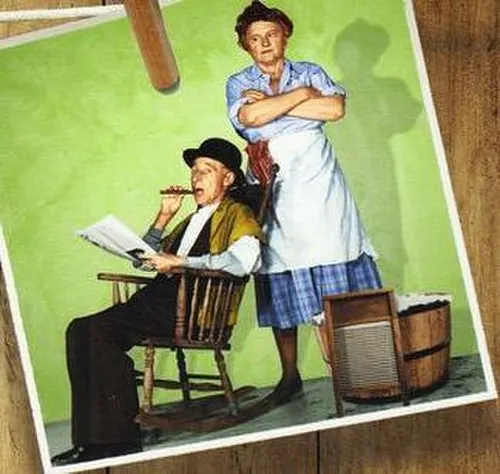
Book & Film Background
The Kettle characters originated in Betty MacDonald’s 1945 memoir The Egg and I, which humorously chronicled her life on a chicken farm in Washington State. Ma and Pa Kettle were based on real-life farming neighbors and became breakout stars in the 1947 film adaptation of the book. Their popularity led Universal Studios to create nine additional films between 1949 and 1957, which collectively grossed $35 million and reportedly saved the studio from bankruptcy.
The book Ma and Pa Kettle on Film by Lon and Debra Davis (2021) is the first full-length study of the series. It provides behind-the-scenes details, film summaries, and cultural context, celebrating the enduring appeal of these characters.
Review Highlights
- Tone & Style: The films and book are lighthearted, filled with “wholesome, delightfully corny” humor that creates a sense of nostalgia and warmth, making even formulaic entries feel charming because of the eccentricity and warmth of the Kettle family.
- The series resonated deeply with mid-20th-century audiences, not only providing comic relief during postwar transitions but also reflecting evolving rural American identities and values, which enriches its cultural significance.
- Character Appeal: Ma (Marjorie Main) is strong-willed and practical, while Pa (Percy Kilbride) is lazy but lovable. Their dynamic—Ma’s earthy pragmatism versus Pa’s indolence—creates endless comedic tension.
Underlying Meaning & Themes
- Rural vs. Modernity:
The Kettles’ adventures often involve clashes between traditional farm life and modern conveniences, reflecting postwar America’s tension between nostalgia and technological progress, encouraging appreciation for cultural shifts. - Family & Resilience:
Despite poverty and chaos, the Kettles remain optimistic and united. Their humor and resourcefulness underscore themes of perseverance and the value of family over material wealth. - Satire of Consumerism:
The films poke fun at mid-century consumer optimism—automated homes, gadgets, and contests—suggesting that progress doesn’t always equal happiness. Pa’s discomfort with modern gadgets in the new house is a recurring gag with more profound commentary. - Class & Cultural Identity:
The Kettles embody rural “hillbilly” stereotypes. Yet, they are portrayed affectionately rather than maliciously, inviting reflection on how Hollywood romanticized rural life for urban audiences while fostering respect for cultural diversity.
Author Background
Betty MacDonald (1907–1958) was a humorist whose memoir, The Egg and I, became a bestseller and cultural phenomenon. Her sharp wit and candid portrayal of farm hardships made her a household name. Interestingly, she faced a libel lawsuit from neighbors who claimed she had caricatured them as the Kettles, highlighting the blurred line between reality and fiction.
Iconic and funniest Ma and Pa Kettle moments from their film series:
1. Pa Wins the “House of the Future.”
In Ma and Pa Kettle (1949), Pa unexpectedly wins a grand prize—a fully automated modern home—by submitting a tobacco slogan. Watching the Kettles try to adapt to gadgets like push-button kitchens and automatic beds is pure comedy Gold. Their bewilderment with technology became one of the series’ defining gags.
2. The New York City Adventure
In Ma and Pa Kettle Go to Town (1950), the couple heads to Manhattan after Pa wins another contest. Their rural naivety collides with urban sophistication, leading to hilarious misunderstandings—especially when they accidentally get mixed up with gangsters and stolen money.
3. The Hygiene Battle with Miss Quimby
In Ma and Pa Kettle Back on the Farm (1951), a Boston nurse tries to teach the Kettles modern child-rearing techniques. Ma’s resistance to wearing a mask and her fiery defense of Pa’s right to see the baby without “city nonsense” create one of the funniest domestic clashes in the series.
4. Ma’s Quip About Marriage
A classic one-liner from Back on the Farm:
Pa: “Ma, what did we do to get such a smart son?”
Ma: “For one thing, we got married!”
This sharp, homespun humor epitomizes Ma’s wit and the series’ charm.
5. The County Fair Chaos
In Ma and Pa Kettle at the Fair (1952), Ma enters a baking contest while Pa races a decrepit horse to raise money for Rosie’s college tuition. The slapstick scenes—especially Pa’s disastrous harness race—are fan favorites.
6. The Stampede at Mealtime
Recurring across several films: Ma rings the dinner bell and shouts, “Come and get it!”—only to leap aside as her fifteen children stampede toward the table. This gag became a signature image of the Kettle clan’s chaotic family life.
7. Pa’s “Talent” for Winning Contests
Throughout the series, Pa’s laziness is offset by his uncanny knack for winning advertising contests. This running joke—Pa avoiding work yet stumbling into prizes—anchors much of the humor and plot twists.
Top 10 Funniest Ma and Pa Kettle Moments, based on their most memorable gags and cultural Impact:
1. Pa Wins the “House of the Future” (Ma and Pa Kettle, 1949)
Watching the Kettles struggle with push-button kitchens and automated beds is peak comedy. Their confusion with modern gadgets became the series’s signature joke.
2. The New York City Mix-Up (Ma and Pa Kettle Go to Town, 1950)
The couple’s naive charm collides with urban sophistication—and gangsters—creating a hilarious fish-out-of-water scenario.
3. Ma vs. Miss Quimby’s Hygiene Rules (Back on the Farm, 1951)
Ma’s fiery resistance to “city nonsense” like masks and sterilization is a classic rural-versus-modernity gag.
4. Ma’s Marriage Quip (Back on the Farm)
Pa: “Ma, what did we do to get such a smart son?”
Ma: “For one thing, we got married!”
This one-liner is pure Kettle humor—sharp, homespun, and timeless.
5. The County Fair Chaos (At the Fair, 1952)
Pa’s disastrous horse race and Ma’s baking contest antics deliver some of the series’ best slapstick.
6. The Dinner Bell Stampede (Recurring)
Ma rings the bell, yells “Come and get it!”—and fifteen kids charge like a herd of cattle. A recurring gag that became iconic.
7. Pa’s Contest-Winning Streak (Recurring)
Pa avoids work but keeps winning advertising contests, driving the plot and delivering endless laughs.
8. The “Housewarming Disaster” (Ma and Pa Kettle at Home, 1954)
Their attempt to host a proper party in their chaotic home spirals into comedic bedlam.
9. Ma’s “Boston vs. Backwoods” Clash (Back on the Farm)
Ma’s showdown with her snooty in-laws highlights cultural contrasts with biting humor.
10. Pa’s Lazy Logic (Recurring)
These scenes endure because they blend timeless humor with cultural commentary on modernization, family values, and class identity, while maintaining a lighthearted, relatable tone.
Ma and Pa Kettle’s humor and themes with modern rural comedies like Schitt’s Creek, The Beverly Hillbillies (revived in syndication), and Bless This Mess:
1. Humor Style
- Ma and Pa Kettle (1949–1957):
Relied on slapstick and situational humor—chaotic family meals, Pa’s lazy logic, and Ma’s sharp one-liners. The comedy was wholesome, formulaic, and often exaggerated rural stereotypes for laughs. - Modern Rural Comedies:
Shows like Schitt’s Creek use character-driven humor and emotional arcs. The jokes come from personality quirks and cultural clashes rather than broad slapstick. Bless This Mess blends awkward city-to-country transitions with witty dialogue, echoing Kettle-style fish-out-of-water humor but with more nuance.
2. Cultural Commentary
- Kettles:
Their stories reflected postwar America’s tension between tradition and progress—automated homes, hygiene standards, and urban sophistication. The humor masked more profound anxieties about modernization and class mobility. - Modern Shows:
Schitt’s Creek critiques wealth, privilege, and reinvention. Bless This Mess explores sustainability and rural authenticity in a tech-driven world. Both lean into identity and belonging, themes that feel more personal and less caricatured than the Kettles’ era.
3. Family Dynamics
- Kettles:
The family was portrayed as chaotic but loving, with Ma as the pragmatic anchor and Pa as the comic foil. Their 15 kids were mostly background for visual gags. - Modern Shows:
Families are more complex and emotionally layered. Schitt’s Creek turns dysfunction into growth, while Bless This Mess focuses on Partnership's and adapting to rural life. Humor often comes from vulnerability rather than sheer absurdity.
4. Stereotypes vs. Authenticity
- Kettles:
Played up “hillbilly” stereotypes for urban audiences—prominent families, poverty, and ignorance of modernity—though with affection rather than malice. - Modern Shows:
Aim for authenticity and empathy, avoiding caricature. Rural life is shown as quirky but dignified, with characters who evolve rather than remain static.
Why This Matters
Ma and Pa Kettle were pioneers of rural comedy, but their humor was rooted in a time when stereotypes were acceptable shorthand. Modern rural comedies retain the charm of cultural contrast while adding emotional depth, social critique, and character growth, making them resonate with today’s audiences.
Closing:
From Ma and Pa Kettle wrestling with push-button kitchens to Moira Rose wrestling with her wigs, rural comedy proves one thing: progress may march on, but laughter always takes the scenic route. Whether it’s a stampede of fifteen kids at the dinner bell or a meltdown over artisanal cheese, these stories remind us that the gap between “simple life” and “modern life” is the perfect place for humor to thrive—and we’ll keep tuning in, because nothing ages better than a good laugh at ourselves.