Summary
The tune began life in 1911 as “Melody in A Major,” a wordless instrumental composed by Charles G. Dawes, a Chicago banker who would later become Vice President of the United States and a Nobel Peace Prize laureate. For decades, the melody circulated in classical and popular circles, admired for its elegance but lacking a narrative voice.
https://share.google/atyeyBaiBnNphymRE
https://www.youtube.com/watch?v=ihHrKyRzXBw
https://en.wikipedia.org/wiki/It's_All_in_the_Game_(song)
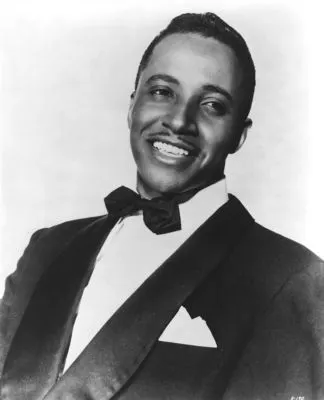
Few pop standards carry a backstory as improbable—or as enduring—as “It’s All in the Game.” Best known through Tommy Edwards’s 1958 recording, the song blends romantic resignation with a melody that predates the modern music industry itself.
The tune began life in 1911 as “Melody in A Major,” a wordless instrumental composed by Charles G. Dawes, a Chicago banker who would later become Vice President of the United States and a Nobel Peace Prize laureate. For decades, the melody circulated in classical and popular circles, admired for its elegance but lacking a narrative voice.
That changed in 1951, when lyricist Carl Sigman adapted the melody into a modern love song. Sigman softened the melody’s wide classical range and paired it with lyrics that framed romantic disappointment not as tragedy, but as something universal—an emotional risk everyone eventually plays. The result was a song that treats heartbreak with calm acceptance rather than drama.
Tommy Edwards first recorded the song in 1951 with modest success, but it was his 1958 re‑recording—lushly arranged and emotionally restrained—that transformed it into a phenomenon. That version reached No. 1 on the Billboard Hot 100, making it the only chart‑topping single in U.S. history co‑written by a former vice president.
What gives “It’s All in the Game” its lasting power is its tone. Rather than promising love will always work out, the song suggests that disappointment, silence, and uncertainty are built into the experience. Love, in this framing, isn’t fair—but it’s shared. That quiet realism helps explain why the song has been covered across genres, from pop and jazz to soul and country.
More than half a century later, the song endures not because it offers hope or despair, but because it offers perspective. Romance, like life, doesn’t follow rules—but understanding that may be the only way to keep playing.