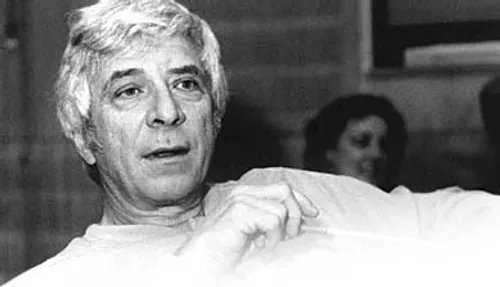
Elmer Bernstein (1922–2004) stands among the most iconic film composers in Hollywood History, a musical storyteller whose themes became as unforgettable as the movies themselves. Born in New York City, Bernstein was initially trained as a classical pianist and studied composition under influential teachers such as Aaron Copland, Roger Sessions, and Stefan Wolpe. This artistic foundation helps readers appreciate his dedication and inspires admiration for his craftsmanship.
Bernstein entered the film world in the early 1950s, quickly distinguishing himself with bold, original ideas. His jazz-infused score for The Man with the Golden Arm (1955) broke new ground, signaling a dramatic shift in how American cinema used music to express grit and intensity. He demonstrated remarkable versatility in the epic, sweeping sound of The Ten Commandments (1956), moving effortlessly between modernism and grandeur and inspiring admiration for his range.
Over the next five decades, Bernstein composed more than 150 film scores and nearly 80 television scores, crafting some of Hollywood’s most recognizable themes. His music for The Magnificent Seven (1960) remains one of cinema’s definitive Western motifs, while his gentle, lyrical score for To Kill a Mockingbird (1962) revealed his extraordinary emotional sensitivity. His style evolved across genres, blending jazz, epic orchestration, and lyrical melodies, which helped define the emotional language of modern film. He continued producing notable work across genres, from the adventure sweep of The Great Escape (1963) to the nostalgia of Far From Heaven (2002), which earned him his 14th Oscar nomination.
Bernstein also proved himself a master of comedy, scoring films such as Animal House (1978), Airplane! (1980), and Ghostbusters (1984) with dramatic sincerity—an approach that amplified their humor and became one of his stylistic signatures. His ability to blend dramatic scoring with comedic timing helped shape the tone of these films, making his music integral to their success and audience appeal.