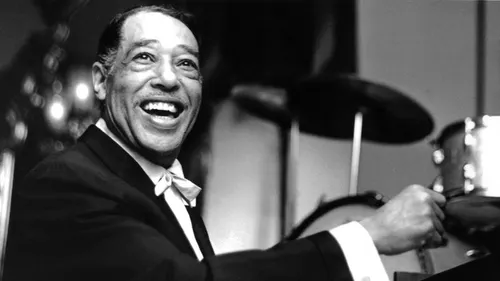
Duke Ellington (1899–1974) remains one of the most towering and transformational figures in American music. A composer, pianist, and bandleader, Ellington helped elevate jazz from dance‑hall entertainment to a sophisticated, globally respected art form. His career, spanning more than fifty years, reshaped the boundaries of composition and performance, leaving a legacy unmatched in scope or influence.
Born Edward Kennedy Ellington in Washington, D.C., he earned the nickname “Duke” early in life for his elegant manner and natural poise. By the 1920s, after moving to New York, his band became a central force in Harlem’s vibrant musical scene. Their residency at the Cotton Club showcased Ellington’s gift for blending complex harmonies, rich orchestrations, and blues‑rooted melodies—a sound that soon defined the Harlem Renaissance.
Ellington’s leadership approach was as innovative as his writing. He composed with specific musicians in mind, crafting parts that highlighted their unique personalities and tonal colors. Collaborators like Johnny Hodges, Cootie Williams, and Paul Gonsalves became essential voices in a band that operated more like a finely tuned orchestra than a traditional jazz ensemble.
Throughout his career, Ellington wrote more than 1,000 compositions, ranging from popular standards to extended suites. Classics like “Mood Indigo,” “It Don’t Mean a Thing (If It Ain’t Got That Swing),” and “Sophisticated Lady” entered the American songbook. At the same time, ambitious works such as Black, Brown and Beige revealed his deep engagement with African American History and identity.
What set Ellington apart was his fusion of artistic curiosity and professionalism. He toured relentlessly, embraced collaboration, and continuously reinvented his sound without abandoning its roots. His music remains a cornerstone of jazz education and performance, a testament to his originality and enduring influence.