Introduction
https://www.youtube.com/watch?v=TLV4_xaYynY
When Jimi Hendrix recorded “All Along the Watchtower” in 1968, he didn’t just cover a Bob Dylan song—he transformed it into one of the most celebrated rock tracks of all time. Hendrix’s version became a defining moment in music History, showcasing his genius for innovation and his ability to turn a simple folk tune into a sonic masterpiece.
The Origins of the Song
- Written and first recorded by Bob Dylan for his 1967 album John Wesley Harding.
- Dylan’s original was sparse and acoustic, reflecting his shift away from electric rock after his motorcycle accident.
Hendrix’s Transformation
- Hendrix heard Dylan’s version and immediately envisioned a more powerful interpretation.
- Recorded at Olympic Studios in London with contributions from Dave Mason and Mitch Mitchell.
- Hendrix layered multiple guitar tracks, creating a swirling, psychedelic soundscape.
- His use of wah-wah pedals, overdubbing, and studio experimentation elevated the song beyond its folk roots.
Impact and Legacy
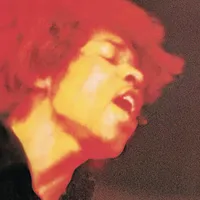
- Released in September 1968 on Electric Ladyland.
- Dylan himself praised Hendrix’s version, later adopting Hendrix’s arrangement in his own live performances.
- Ranked among the most incredible guitar performances in rock History.
- The track became a symbol of Hendrix’s artistry—melding technical brilliance with emotional depth.
Why It Endures
- Hendrix captured the tension and urgency in Dylan’s lyrics, amplifying them with electrifying guitar work.
- The song remains a staple in classic rock and continues to influence generations of musicians.
Cultural Impact
When Hendrix released his version of “All Along the Watchtower” in 1968, it became more than a hit—it became a cultural touchstone. The late 1960s were marked by political unrest, the Vietnam War, and a generational shift in values. Hendrix’s electrifying interpretation captured the tension and uncertainty of the era. The song’s apocalyptic tone resonated deeply with soldiers and anti-war activists alike, often played on radios in Vietnam as a soundtrack to chaos and survival.
Its influence extended beyond the battlefield. Hendrix’s version became a defining anthem of the counterculture movement, symbolizing rebellion against conformity and authority. The track’s haunting guitar work and layered production mirrored the psychedelic experience, aligning perfectly with the artistic and social experimentation of the time.
Over the decades, the song has appeared in countless films, TV shows, and documentaries about the Vietnam era, cementing its status as a historical marker. Dylan himself acknowledged Hendrix’s genius, adopting Hendrix’s arrangement for his own live performances—a rare tribute from one legend to another. Today, “All Along the Watchtower” stands as a timeless reminder of music’s power to reflect and shape cultural identity during periods of upheaval.
Jimi Hendrix’s guitar work on “All Along the Watchtower” is legendary because of the innovative techniques he used to transform Dylan’s folk tune into a rock masterpiece. Here’s a breakdown of the key elements:
Layered Overdubs
Hendrix recorded multiple guitar tracks, each with a distinct tone and purpose:
- Rhythm foundation: Clean, chord-based strumming to anchor the harmony.
- Lead fills: Expressive melodic lines between vocal phrases.
- Textural layers: Subtle background parts to create depth.
This multi-track approach gave the song its rich, immersive sound.
Dynamic Use of the Wah-Wah Pedal
The wah-wah pedal allowed Hendrix to shape the tone in real time, adding vocal-like inflections to his solos. This technique gave the guitar a conversational quality, enhancing emotional Impact.
Controlled Feedback and Sustain
Hendrix mastered feedback as a musical tool rather than an accident. By positioning his guitar near the amp and adjusting volume and tone, he created sustained notes that added drama and tension.
String Bending and Vibrato
His bends were precise and expressive, often pushing notes beyond standard pitch for emotional intensity. Combined with wide vibrato, this gave his solos a singing quality.
Studio Experimentation
Hendrix used:
- Phasing and panning effects to make the guitar swirl across the stereo field.
- Compression and EQ tweaks for clarity and punch.
- Double-tracking to thicken lead lines.
Rhythmic Freedom
Instead of rigid timing, Hendrix played with rhythmic elasticity—stretching phrases, delaying resolutions, and creating a sense of urgency that matched the song’s apocalyptic tone.
Closing Paragraph:
Jimi Hendrix’s interpretation of “All Along the Watchtower” remains one of the most transformative moments in rock History. By blending technical mastery with fearless creativity, Hendrix turned a minimalist Dylan composition into a sonic epic that still resonates more than five decades later. His layered guitar work, innovative use of effects, and emotional phrasing didn’t just redefine the song—they redefined what the electric guitar could achieve. In doing so, Hendrix left an enduring legacy: music as a canvas for reinvention, where imagination knows no limits.